Які переваги гібридних систем накопичення енергії на виробничих підприємствах?
May 08, 2026
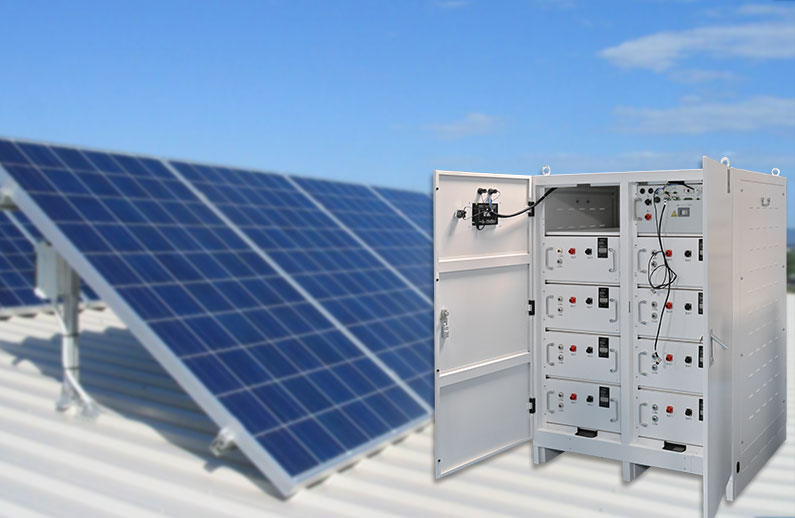
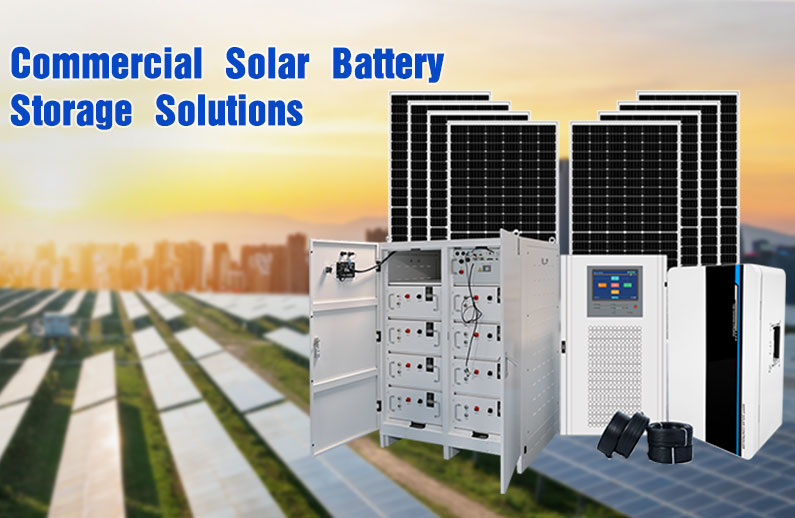
Гібридні системи накопичення енергії пропонують виробничим підприємствам підвищену ефективність, підвищену надійність та значну економію коштів. Поєднуючи вдосконалення акумуляторних батарей з інтеграцією відновлюваних джерел енергії, ці системи оптимізують використання енергії та підтримують стабільність мережі. Виробники отримують операційну гнучкість та досягають цілей сталого розвитку. Ключові фактори, що впливають на вибір технології, включають інтеграцію відновлюваних джерел енергії, вдосконалення технології акумуляторних батарей, державні стимули, стабільність мережі та економічні аспекти: Ключові факториОписІнтеграція відновлюваної енергетикиНеобхідність впровадження відновлюваних джерел, таких як сонячна енергія, в енергетичні системи з використанням надійних комерційне зберігання сонячних батарей рішення.Досягнення в технологіях акумуляторівПокращення ефективності та терміну служби акумуляторів, особливо літій-іонних акумуляторів.Урядові стимулиПолітика, що сприяє розвитку чистої енергії та стимулює інвестиції в гібридні рішення для зберігання енергії.Стабільність мережіНеобхідність надійного енергопостачання в умовах коливань доступності відновлюваних джерел енергії.Економічні аспектиВрахування початкових витрат, операційної ефективності та оптимізації управління енергією. Виробники, які інвестують у системи накопичення енергії, орієнтуються на довгостроковий успіх. Ключові висновкиГібридні системи накопичення енергії знижують витрати на електроенергію, зберігаючи енергію в години поза піковим навантаженням та використовуючи її під час пікового попиту.Інвестування в ці системи може покращити рентабельність інвестицій (ROI), причому терміни окупності зазвичай становлять від 3 до 10 років.Ці системи підвищують експлуатаційну надійність, забезпечуючи стабільне живлення, що є надзвичайно важливим для безперервної виробничої діяльності.Гібридні системи підтримують цілі сталого розвитку, інтегруючи відновлювані джерела енергії та зменшуючи викиди парникових газів.Модульні конструкції гібридних систем накопичення енергії забезпечують легку масштабованість, адаптуючись до змінних виробничих потреб без надмірних інвестицій. Фінансові переваги систем накопичення енергіїЕкономія коштівВиробничі підприємства часто стикаються з високими витратами на електроенергію, особливо в години пікового навантаження. Системи накопичення енергії допомагають зменшити ці витрати, зберігаючи енергію, коли тарифи низькі, та розряджаючи її в періоди високого навантаження. Цей процес, відомий як «зменшення пікового навантаження», знижує максимальну кількість електроенергії, що споживається з мережі. Постачальники комунальних послуг стягують плату з підприємств на основі їхнього найбільшого споживання, що називається платою за попит. Використовуючи акумуляторні батареї для зменшення пікового навантаження, виробники можуть отримати негайну щомісячну економію. Підприємства можуть заощаджувати від 2000 до 15 000 доларів США щомісяця, залежно від їхнього розміру та місцевих тарифів на комунальні послуги.Системи акумуляторного зберігання розряджають накопичену енергію в періоди пікового навантаження.Ця дія обмежує максимальні тарифи на електроенергію та призводить до прямого зниження рахунків за електроенергію.Підприємства з високим попитом на енергію отримують вигоду від цих економічно ефективних рішень.Системи накопичення енергії також дозволяють виробникам оптимізувати використання енергії. Вони можуть перемикати навантаження на години поза піковими навантаженнями, що ще більше знижує експлуатаційні витрати. Ці стратегії роблять гібридні системи економічнішими, ніж використання виключно традиційних джерел енергії. Покращення рентабельності інвестиційІнвестування в системи накопичення енергії пропонує виробникам чіткий шлях до підвищення рентабельності інвестицій (ROI). Термін окупності гібридних рішень для накопичення енергії в промислових умовах зазвичай становить від 3 до 10 років. На цей термін впливає кілька факторів, включаючи місцеві тарифи на електроенергію, вартість встановлення та наявні стимули. Комерційні системи накопичення енергії на основі акумуляторів часто окуповуються протягом 5-10 років. Для малого та середнього бізнесу термін окупності зазвичай становить від 5 до 8 років.Місцеві тарифи на електроенергію відіграють значну роль у визначенні рентабельності інвестицій.Витрати на встановлення та стимули можуть скоротити термін окупності.Вимоги до заявки можуть вплинути на терміни повернення початкових інвестицій.Виробники, які впроваджують системи накопичення енергії, отримують вигоду від зниження витрат на енергію та покращення фінансових показників. Ці системи забезпечують надійний спосіб управління витратами на енергію та підтримують довгострокову прибутковість. Нижчі операційні витратиГібридні системи накопичення енергії допомагають виробникам знизити експлуатаційні витрати кількома способами. Зменшуючи залежність від мережі в години пік, заводи мінімізують вплив коливань цін на енергоносії. Системи накопичення енергії також знижують витрати на технічне обслуговування, оптимізуючи використання обладнання та запобігаючи перевантаженню. Виробники можуть скористатися фінансовими стимулами та субсидіями для подальшого скорочення початкових та поточних витрат.Примітка: Кілька програм пропонують фінансову підтримку підприємствам, які встановлюють акумуляторні накопичувачі. Ці стимули включають податкові пільги, знижки та виплати за результатами діяльності. Назва програмиТип стимулуОписФедеральний інвестиційний податковий кредит (ITC)Податковий кредит30% податкова пільга на вартість встановлення автономного акумуляторного накопичувача.Каліфорнійський SGIPАвансові знижки та виплати за результатами діяльностіФінансова підтримка підприємств, що встановлюють акумуляторні накопичувачі, особливо в районах високого ризику.Міст прискорення ринку Нью-ЙоркаПопередні стимулиДо 350 доларів США за кВт⋅год для установок акумуляторних накопичувачів енергії, залежно від місцезнаходження.Нью-Джерсі NJSIPФінансова підтримкаМайбутня програма для автономних проектів та проектів сонячної енергії з накопиченням енергії.Податкова пільга на прибуток від зберігання енергії в МерілендіПодатковий кредитДо 750 000 доларів США податкових пільг на встановлення акумуляторних накопичувачів. Виробники, які використовують ці стимули, можуть значно скоротити свої операційні витрати. Системи накопичення енергії є економічно ефективним рішенням для підприємств з високим попитом на енергію, що робить їх розумною інвестицією для промислових операцій. Експлуатаційні перевагиПідвищена надійністьВиробничі підприємства потребують стабільного та надійного джерела живлення для підтримки безперервної роботи. Гібридні системи накопичення енергії відіграють життєво важливу роль у забезпеченні цієї надійності. Для оптових продавців та їхніх комерційних клієнтів важливо розуміти, що стандартні інверторні установки не мають вбудованих функцій накопичення енергії від акумуляторів. Для досягнення справжнього резервного живлення підприємствам потрібна інтегрована система... універсальна система накопичення енергії щоб забезпечити гнучкі енергетичні послуги та безперебійне управління живленням. Таке поєднання допомагає керувати попитом та постачанням енергії, що є важливим під час перебоїв з електропостачанням або порушень роботи мережі.Гібридні електростанції надають комунальним підприємствам можливість безперервно працювати на чистій енергії, забезпечуючи надійність, яка може зрівнятися або перевищити традиційні джерела енергії, тим самим допомагаючи виробничим підприємствам підтримувати стабільну роботу. Гібридні системи накопичення енергії дозволяють інтегрувати відновлювану енергію та забезпечують гнучке використання енергії. Вони допомагають керувати піковим попитом та підтримувати стабільність частоти. Ці функції є критично важливими для виробничих операцій, які не можуть дозволити собі простоїв. Стабільність мережіСтабільність мережі є головним пріоритетом для промислових користувачів. Системи накопичення енергії, включаючи гібридні рішення, надають допоміжні послуги, які допомагають підтримувати стабільну частоту та доступність ресурсів. Вони підтримують достатність ресурсів, роблячи свій внесок у загальну встановлену потужність системи, що стає критично важливим у періоди високого попиту або низької пропозиції.Ці системи зменшують перевантаження передачі, зміщуючи пікове навантаження на години поза піком.Постачальники сховищ можуть отримувати компенсацію на ринках потужності за свою здатність постачати енергію, коли це необхідно.Системи зберігання тривалого часу часто отримують вищу компенсацію завдяки своїй надійності.Сховища енергії також можуть виступати в ролі активу передачі енергії, допомагаючи зменшити перевантаження шляхом ефективного управління попитом. Кілька системних операторів почали інтегрувати сховища як активи лише передачі енергії, що ще більше підтримує стабільність мережі. Зменшення пікових навантажень та перемикання навантаженняГібридні системи накопичення енергії чудово справляються з зменшенням пікового навантаження та перерозподілом навантаження. Вони швидко реагують на зміни попиту на енергію, оптимізуючи її використання та знижуючи експлуатаційні витрати. Ці системи накопичують надлишок енергії в періоди низького попиту та вивільняють її в години пік. Цей процес балансує попит і пропозицію, зменшує навантаження на мережу та підвищує загальну надійність.Гібридні системи також забезпечують регулювання частоти та підтримку напруги. Ці можливості запобігають коливанням потужності та потенційним збоям, що особливо важливо в умовах високого попиту на виробництво. Заводи, які використовують ці системи, можуть підтримувати стабільну роботу навіть за нестабільності виробництва відновлюваної енергії. Ефективність процесуВиробничі середовища, особливо ті, що мають високі температури або інтенсивні процеси, отримують значні переваги від гібридних систем накопичення енергії. Ці системи підвищують ефективність процесів, забезпечуючи безперебійне живлення, зменшуючи рахунки за електроенергію та керуючи піковими навантаженнями. Вони також підвищують економічну ефективність завдяки енергетичному арбітражу, зберігаючи енергію за низьких цін та використовуючи її під час стрибків цін. ВигодаОписНижчі витрати на енергіюBESS заряджає електроенергію в години поза піковими навантаженнями та постачає її в години пікових навантажень, що зменшує витрати на комунальні послуги.Покращена якість електроенергіїBESS згладжує подачу живлення, захищаючи чутливе обладнання від коливань напруги.Резервне живлення під час збоївBESS забезпечує негайне живлення під час перебоїв у електромережі, запобігаючи втратам виробництва.Масштабованість та гнучкістьМодульні системи можуть адаптуватися до змінних виробничих вимог та розширення об'єктів. Гібридні системи накопичення енергії дозволяють динамічно коригувати операційні стратегії. Заводи можуть оптимізувати управління енергією та інтегрувати різні джерела енергії. Ця гнучкість підтримує безперервне виробництво та допомагає виробникам адаптуватися до змінних ринкових умов. Вплив на навколишнє середовищеСкорочення викидівГібридні системи накопичення енергії допомагають виробничим підприємствам зменшити викиди. Ці системи оптимізують використання енергії, поєднуючи акумулятори з відновлюваними джерелами. Заводи можуть зменшити свою залежність від викопного палива та зменшити свій вуглецевий слід. Ефективне управління енергією призводить до зменшення викидів парникових газів. Багато підприємств спостерігають зниження рівня забруднюючих речовин у повітря, коли використовують гібридне накопичення. Це покращення сприяє чистішому повітрю та здоровішим громадам.Гібридні системи накопичення енергії підвищують ефективність існуючих енергетичних ресурсів, що допомагає зменшити викиди та загальний вуглецевий слід. Інтеграція відновлюваних джерел енергіїВиробничі підприємства отримують вигоду від гібридних систем накопичення енергії, інтегруючи відновлювані джерела енергії, такі як сонячна. Ці системи забезпечують стабільне та ефективне енергопостачання. Вони поєднують відновлювані джерела енергії з традиційними рішеннями для виробництва та зберігання енергії. Такий підхід дозволяє заводам використовувати більше відновлюваної енергії без шкоди для надійності. Гібридні системи керують піковим попитом та згладжують коливання виробництва відновлюваної енергії. Об'єкти можуть покладатися на чисту енергію навіть тоді, коли сонце не світить або мережа нестабільна.Гібридні системи максимізують використання відновлюваних ресурсів.Вони забезпечують гнучкість для різних застосувань.Заводи підтримують стабільну роботу, використовуючи більше чистої енергії. Цілі сталого розвиткуВиробники ставлять перед собою цілі щодо сталого розвитку, щоб захистити довкілля та покращити свою репутацію. Гібридні системи накопичення енергії підтримують ці цілі кількома способами:Вони максимізують використання відновлюваної енергії та адаптуються до змінних потреб.Ці системи підвищують ефективність застосувань, які потребують зберігання енергії для керування короткочасними коливаннями потужності.Рослини досягають менших викидів та меншого вуглецевого сліду.Гібридні системи накопичення енергії допомагають виробникам дотримуватися нормативних вимог та галузевих стандартів. Вони також демонструють відданість екологічній відповідальності. Багато компаній використовують ці системи для досягнення цілей енергоефективності та скорочення викидів. Гібридні рішення пропонують практичний шлях до сталого майбутнього. Масштабованість та майбутнєАдаптація до зростанняВиробничі підприємства часто стикаються зі зміною виробничих потреб та планів розширення. Гібридні системи накопичення енергії пропонують модульні конструкції, що дозволяють підприємствам масштабувати свою енергетичну потужність за потреби. Оптові клієнти та кінцеві користувачі можуть почати з модульного стандартного блоку, такого як Акумулятор потужністю 15 кВт модуль, а також легко додавати більше одиниць, коли попит на виробництво зростає. Для реселерів цей підхід пропонує гнучкі варіанти зберігання запасів, одночасно запобігаючи надмірним інвестиціям для кінцевого користувача та гарантуючи, що потужність відповідає фактичним потребам. Кожен модуль працює незалежно, тому технічне обслуговування або модернізація не порушують роботу всієї системи. Заводи отримують переваги від надійного часу безвідмовної роботи та гнучких стратегій зростання.Модульні системи підтримують поступове розширення.Заклади уникають непотрібних витрат, масштабуючи їх лише за потреби.Незалежні модулі підвищують надійність та спрощують обслуговування.Гібридні системи адаптуються до різних виробничих середовищ. Шість прикладів промислових парків продемонстрували цю адаптивність, включаючи парки з високим споживанням енергії в різних кліматичних зонах та парки із середнім або низьким споживанням енергії з різноманітним складом навантаження. Впровадження гнучкої структури призвело до скорочення витрат на енергію на 43,7% та зменшення викидів вуглецю на 69,9%. СценаОпис1Аналіз попиту2Вибір технології накопичення енергії3Моделювання систем4Оптимізація дизайну5Оцінювання ефективності Сумісність технологійГібридні системи накопичення енергії інтегрують різні технології, такі як акумулятори та суперконденсатори. Така сумісність дозволяє заводам поєднувати переваги різних методів зберігання. Заводи можуть вибирати технології на основі своїх конкретних потреб, включаючи швидке реагування або тривале зберігання. Гнучка конструкція підтримує модернізацію та інтеграцію нових технологій без суттєвих змін у системі. Заводи підтримують операційну ефективність та адаптуються до галузевих стандартів, що змінюються.Гібридні системи забезпечують безперешкодну інтеграцію нових технологій накопичення енергії, підтримуючи майбутні оновлення та зберігаючи високу продуктивність. Довгострокова вартістьГібридні системи накопичення енергії забезпечують довготривалі переваги для виробничих підприємств. Протягом десятирічного періоду ці системи підвищують енергоефективність та стійкість. Вони стабілізують мережі та мікромережі, забезпечуючи безперервну роботу під час коливань поставок. Об'єкти зменшують втрати відновлюваної енергії, зберігаючи надлишкову енергію для подальшого використання. Гібридні системи також підтримують торгівлю енергією та комунальні послуги, генеруючи дохід завдяки таким послугам, як регулювання частоти та зменшення пікових навантажень. Їхня гнучкість та економічна ефективність роблять їх цінними активами в середовищах зі змінними цінами на енергоносії та цілями сталого розвитку.Виробничі підприємства, які інвестують у гібридні системи накопичення енергії, забезпечують довгострокову цінність, підтримуючи як операційну стабільність, так і фінансове зростання. Гібридні системи накопичення енергії надають виробничим підприємствам значні фінансові, операційні та екологічні переваги. Ці системи знижують витрати, підвищують надійність та підтримують сталий розвиток. Заводи, що використовують гібридне накопичення, отримують конкурентну перевагу на світовому ринку:Вони підвищують енергоефективність та зменшують витрати.Вони дозволяють гнучко керувати енергією відповідно до змінних потреб.Вони підтримують впровадження чистих технологій та сприяють інноваціям.Гібридне накопичення енергії продовжуватиме формувати майбутнє промисловості, оскільки виробники шукають розумніші та стійкіші рішення. Найчастіші запитанняЩо таке гібридна система накопичення енергії?Гібридна система накопичення енергії поєднує дві або більше технологій накопичення, таких як акумулятори та суперконденсатори. Таке поєднання дозволяє виробникам збалансувати енергопостачання, підвищити ефективність та надійність своєї діяльності.Як гібридні системи підтримують використання відновлюваної енергії?Гібридні системи накопичують надлишок енергії з відновлюваних джерел, таких як сонячна енергія. Вони вивільняють цю енергію, коли виробництво падає. Цей процес допомагає заводам використовувати більше чистої енергії та підтримувати стабільну роботу.Чи безпечні гібридні системи накопичення енергії для виробничих підприємств?Виробники використовують передові функції безпеки в гібридних системах. До них належать терморегуляція, моніторинг та автоматичне вимкнення. Ці функції захищають обладнання та працівників від ураження електричним струмом.Чи можуть гібридні системи накопичення енергії знизити витрати на енергію?Гібридні системи знижують витрати на енергію, накопичуючи електроенергію в години поза піковим навантаженням та постачаючи її під час пікового попиту. Ця стратегія допомагає виробникам уникати високих комунальних платежів та ефективніше керувати витратами.





 ПІДТРИМУЄТЬСЯ МЕРЕЖЕЮ
 Мова
Мова


