Сонячний блог

блог

Дім

блог

  • What Are the Advantages of Hybrid Energy Storage Systems in Manufacturing Plants? May 08, 2026
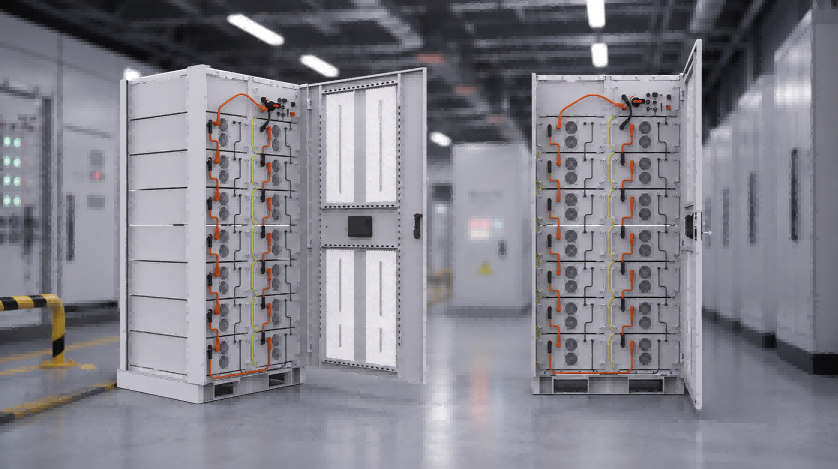
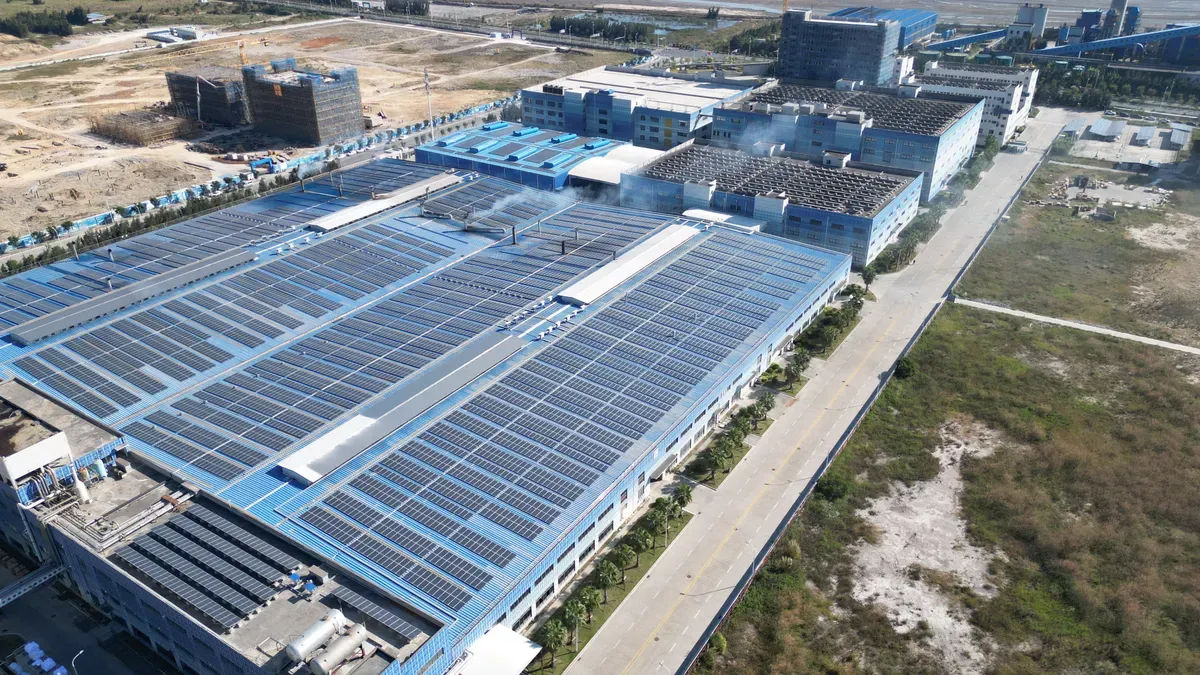
    Hybrid energy storage systems offer manufacturing plants improved efficiency, enhanced reliability, and significant cost savings. By combining battery advancements with renewable integration, these systems optimize energy use and support grid stability. Manufacturers gain operational flexibility and meet sustainability goals. Key factors influencing technology selection include renewable energy integration, battery technology improvements, government incentives, grid stability, and economic aspects:   Key Factors Description Integration of Renewable Energy The need to incorporate renewable sources like solar into energy systems using reliable commercial solar battery storage solutions. Advancements in Battery Technologies Improvements in battery efficiency and lifespan, particularly with lithium-ion batteries. Government Incentives Policies promoting clean energy that encourage investment in hybrid storage solutions. Grid Stability The necessity for reliable energy supply amidst fluctuating renewable energy availability. Economic Aspects Considerations of initial costs, operational efficiency, and energy management optimization.   Manufacturers who invest in energy storage systems position their operations for long-term success.   Key Takeaways Hybrid energy storage systems lower electricity costs by storing energy during off-peak hours and using it during peak demand. Investing in these systems can improve return on investment (ROI), with payback periods typically ranging from 3 to 10 years. These systems enhance operational reliability by providing a steady power supply, crucial for continuous manufacturing operations. Hybrid systems support sustainability goals by integrating renewable energy sources and reducing greenhouse gas emissions. Modular designs of hybrid energy storage systems allow for easy scalability, adapting to changing production demands without over-investment.     Financial Benefits of Energy Storage Systems Cost Savings Manufacturing plants often face high electricity costs, especially during peak demand hours. Energy storage systems help reduce these expenses by storing energy when rates are low and discharging it during periods of high demand. This process, known as peak shaving, lowers the maximum electricity drawn from the grid. Utility providers charge businesses based on their highest usage, called demand charges. By using battery storage for peak shaving, manufacturers can see immediate monthly savings. Facilities may save between $2,000 and $15,000 each month, depending on their size and local utility rates. Battery storage systems discharge stored power during peak periods. This action caps maximum demand charges and leads to direct reductions in electricity bills. High energy demand businesses benefit from these cost-effective solutions. Energy storage systems also allow manufacturers to optimize their energy use. They can shift loads to off-peak hours, further reducing operational costs. These strategies make hybrid systems more economical than relying solely on conventional energy sources.   ROI Improvement Investing in energy storage systems offers manufacturers a clear path to improving their return on investment (ROI). The payback period for hybrid energy storage solutions in industrial settings typically ranges from 3 to 10 years. Several factors influence this timeline, including local electricity rates, installation costs, and available incentives. Commercial battery storage systems often achieve payback within 5 to 10 years. For small and medium-sized businesses, the payback period usually falls between 5 and 8 years. Local electricity rates play a significant role in determining ROI. Installation costs and incentives can shorten the payback period. Application requirements may affect the timeline for recovering initial investments. Manufacturers who adopt energy storage systems benefit from reduced energy expenses and improved financial performance. These systems provide a reliable way to manage energy costs and support long-term profitability.   Lower Operational Expenses Hybrid energy storage systems help manufacturers lower operational expenses in several ways. By reducing reliance on the grid during peak hours, plants minimize exposure to fluctuating energy prices. Energy storage systems also decrease maintenance costs by optimizing equipment usage and preventing overloading. Manufacturers can take advantage of financial incentives and subsidies to further reduce upfront and ongoing expenses. Note: Several programs offer financial support for businesses installing battery storage. These incentives include tax credits, rebates, and performance payments.   Program Name Type of Incentive Description Federal Investment Tax Credit (ITC) Tax Credit 30% tax credit on installation costs for standalone battery storage. California SGIP Upfront Rebates & Performance Payments Financial support for businesses installing battery storage, especially in high-risk areas. New York Market Acceleration Bridge Upfront Incentives Up to $350 per kWh for battery storage installations, varying by location. New Jersey NJSIP Financial Support Upcoming program for standalone and solar-plus-storage projects. Maryland Energy Storage Income Tax Credit Tax Credit Up to $750,000 in tax credits for battery storage installations.   Manufacturers who utilize these incentives can significantly reduce their operational expenses. Energy storage systems provide a cost-effective solution for high energy demand businesses, making them a smart investment for industrial operations.   Operational Advantages Enhanced Reliability Manufacturing plants require a steady and reliable power supply to maintain continuous operations. Hybrid energy storage systems play a vital role in delivering this reliability. For wholesalers and their commercial clients, it is crucial to understand that standard inverter setups do not have native battery energy storage functions. To achieve true backup power, facilities require an integrated all-in-one energy storage system to provide flexible energy services and seamless power management. This combination helps manage energy demand and supply, which is essential during power outages or grid disturbances. Hybrid plants provide utilities the ability to operate on clean energy continuously, ensuring reliability that can match or exceed traditional energy sources, thus supporting manufacturing plants in maintaining consistent operations.   Hybrid energy storage systems enable renewable energy integration and allow for flexible energy use. They help manage peak demand and maintain frequency stability. These features are crucial for manufacturing operations that cannot afford downtime.   Grid Stability Grid stability is a top priority for industrial users. Energy storage systems, including hybrid solutions, provide ancillary services that help maintain consistent frequency and resource availability. They support resource adequacy by contributing to a system's total installed capacity, which becomes critical during periods of high demand or low supply. These systems alleviate transmission congestion by shifting peak demand to off-peak times. Storage providers can receive compensation in capacity markets for their ability to deliver energy when needed. Longer-duration storage systems often receive higher compensation due to their reliability. Energy storage can also act as a transmission asset, helping to relieve congestion by managing demand effectively. Several system operators have started integrating storage as transmission-only assets, further supporting grid stability.   Peak Shaving & Load Shifting Hybrid energy storage systems excel at peak shaving and load shifting. They respond rapidly to changes in energy demand, optimizing energy usage and lowering operational costs. These systems store excess energy during periods of low demand and release it during peak hours. This process balances supply and demand, reduces strain on the grid, and enhances overall reliability. Hybrid systems also provide frequency regulation and voltage support. These capabilities prevent power fluctuations and potential failures, which is especially important in high-demand manufacturing environments. Plants that use these systems can maintain stable operations even when renewable energy generation is inconsistent.   Process Efficiency Manufacturing environments, especially those with high-temperature or process-intensive operations, benefit greatly from hybrid energy storage systems. These systems improve process efficiency by ensuring uninterrupted power, reducing electricity bills, and managing peak loads. They also enhance cost efficiency through energy arbitrage, storing energy when prices are low and using it during price surges.   Benefit Description Lower Energy Costs BESS charges during off-peak times and supplies power during peak hours, reducing utility costs. Improved Power Quality BESS smooths power delivery, protecting sensitive machinery from voltage fluctuations. Backup Power During Failures BESS provides immediate power during grid outages, preventing production losses. Scalability and Flexibility Modular systems can adapt to changing production demands and facility expansions.   Hybrid energy storage systems allow for dynamic adjustments in operational strategies. Plants can optimize energy management and integrate various energy sources. This flexibility supports continuous production and helps manufacturers adapt to changing market conditions.   Environmental Impact Emissions Reduction Hybrid energy storage systems help manufacturing plants reduce emissions. These systems optimize energy use by combining batteries with renewable sources. Plants can lower their reliance on fossil fuels and decrease their carbon footprint. Efficient energy management leads to fewer greenhouse gas emissions. Many facilities see a drop in air pollutants when they use hybrid storage. This improvement supports cleaner air and healthier communities. Hybrid energy storage systems enhance the efficiency of existing energy resources, which helps in reducing emissions and the overall carbon footprint.   Renewable Integration Manufacturing plants benefit from hybrid energy storage systems by integrating renewable energy sources like solar. These systems ensure a consistent and efficient energy supply. They combine renewables with traditional power generation and storage solutions. This approach allows plants to use more renewable energy without sacrificing reliability. Hybrid systems manage peak demand and smooth out fluctuations in renewable output. Facilities can depend on clean energy even when the sun does not shine or the grid is unstable. Hybrid systems maximize the use of renewable assets. They provide flexibility for different applications. Plants maintain steady operations while using more clean energy.   Sustainability Goals Manufacturers set sustainability goals to protect the environment and improve their reputation. Hybrid energy storage systems support these goals in several ways: They maximize renewable energy use and adapt to changing needs. These systems improve efficiency for applications that require storage to manage short-term power fluctuations. Plants achieve lower emissions and a smaller carbon footprint. Hybrid energy storage systems help manufacturers meet regulatory requirements and industry standards. They also show a commitment to environmental responsibility. Many companies use these systems to reach targets for energy efficiency and emissions reduction. Hybrid solutions offer a practical path toward a sustainable future.   Scalability & Future-Proofing Adaptability to Growth Manufacturing plants often face changing production demands and expansion plans. Hybrid energy storage systems offer modular designs that allow facilities to scale their energy capacity as needed. Wholesale clients and end-users can start with a modular standard unit, such as a 15kw battery storage module, and easily add more units when production demand increases. For resellers, this approach offers flexible inventory options, while preventing over-investment for the end-user and ensuring that the capacity matches actual requirements. Each module operates independently, so maintenance or upgrades do not disrupt the entire system. Plants benefit from reliable uptime and flexible growth strategies. Modular systems support gradual expansion. Facilities avoid unnecessary costs by scaling only when needed. Independent modules enhance reliability and simplify maintenance. Hybrid systems adapt to various production environments. Six industrial park cases demonstrated this adaptability, including high-energy-consumption parks in different climate zones and medium or low-energy-consumption parks with diverse load compositions. The implementation of a flexible framework led to a 43.7% reduction in energy costs and a 69.9% decrease in carbon emissions.   Stage Description 1 Demand analysis 2 Energy storage technology selection 3 System modeling 4 Optimization design 5 Performance assessment   Technology Compatibility Hybrid energy storage systems integrate multiple technologies, such as batteries and supercapacitors. This compatibility allows plants to combine strengths from different storage methods. Facilities can select technologies based on their specific needs, including rapid response or long-duration storage. The flexible design supports upgrades and new technology integration without major system changes. Plants maintain operational efficiency and adapt to evolving industry standards. Hybrid systems enable seamless integration of new energy storage technologies, supporting future upgrades and maintaining high performance.   Long-Term Value Hybrid energy storage systems deliver lasting benefits for manufacturing plants. Over a ten-year period, these systems enhance energy efficiency and resilience. They stabilize grids and microgrids, ensuring continuous operations during supply fluctuations. Facilities reduce renewable energy waste by storing surplus power for later use. Hybrid systems also support energy trading and utility operations, generating revenue through services like frequency regulation and peak shaving. Their flexibility and cost-effectiveness make them valuable assets in environments with variable energy prices and sustainability goals. Manufacturing plants that invest in hybrid energy storage systems secure long-term value, supporting both operational stability and financial growth.   Hybrid energy storage systems give manufacturing plants strong financial, operational, and environmental advantages. These systems lower costs, improve reliability, and support sustainability. Plants that use hybrid storage gain a competitive edge in the global market: They increase energy efficiency and reduce expenses. They allow flexible energy management for changing demands. They support clean technology adoption and foster innovation. Hybrid energy storage will continue to shape the future of industry as manufacturers seek smarter, more resilient solutions.   FAQ What is a hybrid energy storage system? A hybrid energy storage system combines two or more storage technologies, such as batteries and supercapacitors. This combination allows manufacturers to balance power supply, improve efficiency, and enhance reliability in their operations. How do hybrid systems support renewable energy use? Hybrid systems store excess energy from renewable sources like solar power. They release this energy when production drops. This process helps plants use more clean energy and maintain steady operations. Are hybrid energy storage systems safe for manufacturing plants? Manufacturers use advanced safety features in hybrid systems. These include thermal management, monitoring, and automatic shutdown. These features protect equipment and workers from electrical hazards. Can hybrid energy storage systems reduce energy costs? Hybrid systems lower energy costs by storing electricity during off-peak hours and supplying it during peak demand. This strategy helps manufacturers avoid high utility charges and manage expenses more effectively.
  • Which Hybrid Inverter is Right for Your Next Solar Project? A Professional Selection Guide
    Which Hybrid Inverter is Right for Your Next Solar Project? A Professional Selection Guide Apr 28, 2026
    The global transition toward renewable energy has transformed the hybrid inverter from a niche component into the beating heart of modern residential and commercial power systems. However, for solar contractors and property owners, the sheer variety of technical specifications can be overwhelming. Selecting the wrong unit doesn’t just mean inefficient energy harvest—it can lead to system failures in extreme weather or incompatibility with local grid standards. Whether you are designing a compact off-grid cabin or a robust backup system for a North American luxury home, understanding the synergy between power output, phase requirements, and environmental protection is paramount. When planning a high-resilience outdoor installation, the IP65 Dual-Output Hybrid Solar Inverter represents the pinnacle of modern engineering, offering a fully sealed architecture that thrives where standard inverters would falter. But is a high-protection model always necessary, or should you prioritize raw power and phase compatibility? This guide breaks down the critical decision matrices to ensure your next solar project delivers maximum ROI.     1. Environment First: The IP65 Revolution Most traditional hybrid inverters are designed for indoor installation—typically in garages or utility rooms. However, real-world project constraints often force installers to place equipment in carports, humid basements, or even direct sunlight. The Vulnerability of Standard Units: Standard inverters rely on internal fans and vents for cooling. In coastal areas with salt mist, or agricultural zones with high dust levels, these vents become entry points for corrosion and debris, significantly shortening the lifespan of the PCB. The IP65 Advantage: An IP65-rated unit is "dust-tight" and protected against water jets from any angle. By utilizing advanced heat-sink technology instead of open-ventilation cooling, these units offer a "set it and forget it" solution for harsh environments. If your project site experiences heavy rainfall or extreme humidity, choosing a sealed unit is the most effective way to minimize long-term maintenance costs.   2. Power Scaling: Finding the "Sweet Spot" (6.2kW vs. 12kW)     Power requirements are rarely static, but they generally fall into two categories: essential backup and full energy independence. For standard residential projects focused on optimizing self-consumption, the 6.2KW Dual Output Hybrid Solar Inverter has emerged as the industry’s "Goldilocks" solution. It provides enough capacity to run high-surge appliances like air conditioners and water pumps while maintaining an affordable price point for the average homeowner. The dual-output feature is particularly critical here; it allows the system to intelligently shed non-essential loads during a power outage, ensuring that the critical "Output A" (refrigerators, lights, medical equipment) stays live even when the battery is low. In contrast, 12kW systems are designed for heavy-duty applications. This includes large estates with multiple HVAC units or small commercial workshops where the simultaneous startup of several motors requires a massive surge buffer.   3. The Phase Factor: Why Split-Phase Matters     One of the most common pitfalls in international solar procurement is a misunderstanding of voltage standards. While much of the world operates on a 230V single-phase system, the North American and certain South American markets utilize a 120V/240V split-phase system. Installing a single-phase inverter in a split-phase home requires expensive external transformers and complex wiring. This is where the 12kW Split-Phase Hybrid Solar Inverter becomes indispensable. By natively supporting the US standard, it allows for a direct connection to the home’s main breaker panel, providing balanced power to both 120V circuits (outlets and electronics) and 240V heavy appliances (dryers and electric vehicle chargers).   4. Technical Comparison: At a Glance To help you visualize the best fit for your specific client base, the following table compares the core performance metrics of our flagship hybrid solutions: Feature IP65 Dual-Output Model 6.2kW Dual-Output Model 12kW Split-Phase Model Primary Market Global / Harsh Environments Residential Self-Consumption North America / Large Estates Protection Rating IP65 (Fully Waterproof) IP21 (Indoor Only) IP21 (Indoor/Protected) Phase Output Single Phase (230V) Single Phase (230V) Split-Phase (120V/240V) Dual AC Output Yes (Smart Load Management) Yes (Priority Management) No (High Capacity Focus) Max PV Input Optimized for Mid-Range Arrays High Efficiency Tracking Dual MPPT for Large Arrays Best For Coastal/Outdoor Projects Modern Family Homes Off-Grid Mansions / US Markets   5. Smart Load Management: Beyond Just Battery Storage The modern hybrid inverter is no longer just a power converter; it is an intelligent energy manager. The "Dual Output" technology found in our 6.2kW and IP65 models addresses a primary consumer fear: running out of battery at night. By separating the home's electrical circuits into "Primary" and "Secondary" outputs, the inverter acts as an automated switchboard. When the solar panels stop producing and the battery reaches a pre-set discharge limit, the inverter automatically cuts power to the secondary output (which might power a dishwasher or pool pump) while maintaining an uninterrupted flow to the primary output. This level of granular control is what differentiates a high-end solar installation from a basic one, providing the end-user with peace of mind without requiring manual intervention.   6. The Long-Term Reliability Checklist Before finalizing your procurement list, consider these three professional factors that often go unmentioned in basic spec sheets: Thermal Dissipation: High-power inverters like the 12kW units generate significant heat. Ensure your installation site has at least 20cm of clearance on all sides to allow the internal cooling systems to function at peak efficiency. Communication Protocols: Modern solar projects often involve lithium battery integration (LiFePO4). Ensure your inverter supports BMS communication (RS485/CAN) to allow the inverter to "talk" to the battery for optimized charging cycles. Scalability: If a client’s energy needs grow, can you add more capacity? Look for units that support parallel operation, allowing you to link multiple inverters together as the solar array expands. Choosing the right technology is about matching the equipment to the specific constraints of the site and the lifestyle of the user. For a robust, US-standard residential installation that requires heavy lifting, the split-phase 12kW architecture remains the undisputed leader in performance and compliance. Meanwhile, the versatility of dual-output systems ensures that even smaller installations can achieve a level of reliability previously reserved for industrial-grade microgrids. By focusing on these technical nuances, you position your solar business as a provider of tailored solutions rather than just a hardware vendor, ensuring that every project you complete becomes a long-lasting testament to sustainable engineering.    
  • Why choose industrial solar battery for your factory?
    Why choose industrial solar battery for your factory? Apr 23, 2026
    Industrial solar battery solutions provide factories with cost savings, operational reliability, and environmental benefits. Factory managers seek efficient energy systems that reduce expenses and support uninterrupted production. Anern LiFePO4 Lithium Solar Battery offers advanced features designed for industrial applications, addressing critical energy needs and sustainability targets.   Key Takeaways   Investing in an industrial solar battery can significantly lower energy bills by storing excess solar energy for later use. Using an industrial solar battery helps factories manage peak demand, reducing costly electricity charges during high usage times. Adopting solar battery solutions supports sustainability goals by lowering carbon emissions and complying with environmental regulations.   Cost Savings With Industrial Solar Battery   Lower Energy Bills   Factories face high operational costs due to continuous energy consumption. An industrial solar battery helps reduce these expenses by storing excess solar energy during the day and supplying it when demand rises. This process allows factories to use less electricity from the grid, which lowers monthly energy bills. Many facilities choose to install a 51.2v meet emergency battery system to ensure they have enough stored power for critical operations. These batteries support a wide range of applications, including acting as a lithium ion battery for agricultural equipment, which further optimizes energy use across different sectors.   The modular design of modern industrial solar battery systems allows factories to scale their energy storage according to their needs. Facility managers can add more units as production grows, ensuring cost-effective expansion. The long cycle life of these batteries means fewer replacements and lower maintenance costs over time. As a result, factories achieve significant savings while maintaining efficient operations.   Tip: Investing in an industrial solar battery can lead to a rapid return on investment by cutting recurring energy expenses.   Peak Shaving And Demand Charges   Electricity providers often charge factories extra fees during periods of high demand. These demand charges can make up a large portion of a factory’s energy bill. An industrial solar battery addresses this challenge by supplying stored energy during peak hours. This process, known as peak shaving, reduces the amount of electricity drawn from the grid when rates are highest.   By using stored solar energy, factories avoid costly spikes in their power usage. The flexibility of industrial solar battery systems, including the ability to connect multiple units in parallel, ensures that even large facilities can manage their demand efficiently. The long-lasting performance of these batteries means factories can rely on them for years, further enhancing cost control.   Below is a summary table highlighting the key features, uses, and benefits of industrial solar batteries:   Feature Uses Benefits Modularity Scalable energy storage for factories Easy expansion, cost efficiency Long Cycle Life Continuous industrial operations Lower replacement costs High Compatibility Integration with solar and grid power Flexible system design Emergency Backup 51.2v meet emergency battery systems Reliable power during outages Versatility Lithium ion battery for agricultural equipment Broad application range Peak Shaving Managing demand charges Reduced electricity costs   Industrial solar battery solutions offer factories a practical way to control energy expenses, manage peak demand, and support a variety of industrial and agricultural applications.   Reliable Power And Efficiency   Backup Power During Outages   Factories depend on continuous power to keep production lines running. An industrial solar battery provides backup energy during unexpected outages. When the grid fails, the system automatically supplies stored power to critical equipment. This feature prevents costly downtime and protects sensitive machinery. Many factories use the 51.2v meet emergency battery configuration to ensure enough capacity for essential operations. This setup supports not only manufacturing but also applications like a lithium ion battery for agricultural equipment, which requires reliable backup in remote areas.   Note: Reliable backup power helps factories avoid production losses and maintain safety standards during emergencies.   Optimized Energy Management   Efficient energy management improves productivity and reduces waste. Anern’s advanced Battery Management System (BMS) monitors charge levels and battery health in real time. The BMS ensures optimal performance by balancing energy flow and preventing overcharging or deep discharging. Safety certifications such as CE, ROHS, and UN38.3 confirm the battery’s compliance with international standards. The maintenance-free design allows factory managers to focus on operations without worrying about frequent servicing. Industrial solar battery systems with modular designs adapt to changing energy needs, making them suitable for both large factories and agricultural sites.   Key benefits of optimized energy management: Uninterrupted power for critical loads Enhanced safety and reliability Minimal maintenance requirements   Factories that invest in these solutions achieve stable operations and long-term efficiency.   Sustainability And Compliance   Reducing Carbon Footprint   Factories play a major role in global energy consumption. They often seek ways to minimize their environmental impact. By adopting an industrial solar battery, managers reduce reliance on fossil fuels. The battery stores clean solar energy and supplies it during production hours. This process lowers greenhouse gas emissions and supports sustainability targets. Many facilities use the 51.2v meet emergency battery to ensure backup power without increasing their carbon footprint. Agricultural sites benefit from a lithium ion battery for agricultural equipment, which provides efficient energy and reduces pollution in rural operations.   Tip: Transitioning to solar energy storage helps factories align with international climate initiatives and demonstrate corporate responsibility.   Meeting Regulations   Government agencies enforce strict environmental standards for industrial operations. Factories must comply with these regulations to avoid penalties and maintain their reputation. Anern’s solar batteries carry certifications such as CE, ROHS, and UN38.3. These certifications confirm safety, environmental compatibility, and adherence to global standards. Managers choose certified solutions to meet legal requirements and simplify audits. The maintenance-free design of the battery reduces hazardous waste and supports compliance with sustainability laws.   Key compliance benefits: Certified for safety and environmental protection Supports regulatory audits and reporting Reduces risk of fines and operational disruptions Certification Purpose Compliance Benefit CE Safety and quality Meets EU standards ROHS Environmental safety Limits hazardous substances UN38.3 Transport safety Ensures safe battery transit   Factories that invest in certified solar batteries achieve both sustainability and regulatory compliance.     Factories gain cost savings, reliable backup, and sustainability with an industrial solar battery. Anern’s advanced technology supports long-term success. Decision-makers can implement solutions like the 51.2v meet emergency battery or a lithium ion battery for agricultural equipment to achieve energy independence and meet future demands.   FAQ   What is an industrial solar battery? An industrial solar battery stores solar energy for factories. It provides backup power, reduces energy costs, and supports critical operations during outages.   How does a 51.2v meet emergency battery help factories? A 51.2v meet emergency battery supplies reliable backup power. It ensures production lines keep running during grid failures or peak demand periods.   Can a lithium ion battery for agricultural equipment improve efficiency? Yes. A lithium ion battery for agricultural equipment delivers consistent energy. It supports machinery in remote areas and reduces downtime.    
  • What Are the Key Benefits of Using Off-Grid Power Systems for Remote Industrial Operations?
    What Are the Key Benefits of Using Off-Grid Power Systems for Remote Industrial Operations? Apr 15, 2026
    Off-grid solutions empower remote industrial sites by providing energy independence and reducing reliance on traditional fuel sources. Many businesses choose a Solar Power System to achieve consistent operations and lower costs. The shift away from grid and diesel power comes from the need for reliable energy and the desire to cut fuel and maintenance expenses. Off-grid solar systems also create a cleaner environment by minimizing carbon emissions and noise. Reliability remains crucial for remote operations. The table below compares diesel generators and off-grid solar with storage:   Factor Diesel Generator Off-Grid Solar + Storage Reliability Dependent on fuel supply & maintenance High (with proper sizing & storage)       Key Takeaways Off-grid solar systems provide reliable energy for remote industrial sites, ensuring operations run smoothly without interruptions. Switching to off-grid solar can reduce energy costs by up to 70%, helping businesses save money on fuel and maintenance. These systems lower carbon emissions and noise pollution, making them an eco-friendly choice for industries aiming for sustainability. Modular designs allow companies to expand their solar systems easily as energy needs grow, ensuring flexibility and efficiency. Investing in off-grid solar can lead to significant long-term savings and a strong return on investment, often within 5 to 8 years.   Energy Independence with Off-Grid Solar Power Reliable Power for Remote Industrial Facilities Off-grid solar solutions give remote industrial facilities the ability to operate without interruptions. These systems generate electricity using solar panels and store excess energy in a battery bank. This setup ensures reliable power even during the night or when sunlight is limited. For example, a mining operation located over 200 kilometers from the nearest grid installed a solar power system with 5 MW of solar panels and 20 MWh of lithium-ion storage. This project reduced fuel consumption by 65 percent and nearly eliminated downtime. The company saw a positive return on investment within five years. These results show that off-grid solar systems can deliver both operational stability and financial benefits. Solar panels in off-grid power systems withstand harsh weather conditions. Certified panels resist hail and high winds. Hurricane-resistant mounting brackets and robust designs protect installations in extreme environments. The battery bank stores energy for use during storms or cloudy days. Well-constructed systems keep equipment running even when the grid fails. Advanced battery storage systems manage energy supply and demand, making sure remote sites have continuous power. Intelligent energy management systems predict energy needs and control battery charge cycles. This technology helps maintain consistent operations and reduces the risk of unexpected outages.   Minimizing Grid Dependency Off-grid solar solutions allow companies to avoid the risks and costs linked to grid dependency. Remote sites often face challenges such as unstable grid connections or fuel shortages. Off-grid systems operate independently, so they do not rely on external power sources. Solar panels convert sunlight into electricity, while the battery bank stores energy for later use. This approach ensures that remote industrial facilities can maintain operations even during grid outages or supply chain disruptions. Switching to off-grid solar systems also helps companies lower operational costs. By reducing the need for diesel fuel, sites can cut energy expenses by up to 70 percent. Off-grid setups also support environmental compliance by reducing carbon emissions and noise pollution. These benefits make off-grid solar solutions both affordable and sustainable for long-term use. Remote monitoring and advanced digital tools further enhance the value of off-grid systems. These technologies allow for predictive maintenance and reduce the need for on-site personnel. As a result, companies can optimize resource use and address local skill gaps more effectively.   Cost Savings of Off-Grid Solar Solutions Lowering Operational and Fuel Costs Remote industrial facilities often face high energy expenses due to fuel transportation and generator maintenance. Off-grid solar solutions help these sites achieve significant energy cost reduction by using solar panels and a battery bank to generate and store electricity on-site. This approach removes the need for constant fuel deliveries and reduces the risk of price spikes. For example, a mining facility in a remote desert region achieved a 65% reduction in fuel costs after installing a solar power system. Many sites report potential savings of up to 70% when switching from diesel generators to solar panels and battery banks. The following table highlights the difference in installation and maintenance costs between diesel generators and solar PV systems:   Energy Source Installation Cost (per kWh) Maintenance Cost (per kWh) Total Cost of Energy (per kWh) Diesel Generators High initial cost High and volatile Up to $0.672 Solar PV Systems Major capital project Minimal operating costs $0.10 to $0.33   Solar panels provide free energy once installed, and the battery bank ensures power is available even when sunlight is low. Off-grid solar system maintenance costs remain low, making this solution affordable over time. The cost-effectiveness of solar power becomes clear when comparing long-term operational expenses.   Long-Term Savings and ROI Off-grid solar solutions offer strong financial returns for remote industrial facilities. These systems can eliminate monthly electricity bills and protect businesses from utility price fluctuations. The decreasing cost of solar panels and modular system designs allow companies to expand as needed, paying only for what they use. Many remote sites reach break-even on their investment in 5 to 8 years, depending on project size and location. Over a 30-year period, the return on investment can range from 150% to 500%.   The battery bank provides backup power during grid failures or natural disasters, ensuring uninterrupted operations. Lifetime savings can reach up to $44,000 for some facilities. Off-grid solar solutions deliver reliable, affordable, and scalable energy, making them a smart choice for long-term cost-effectiveness.     Environmental Impact of Off-Grid Solar System Reducing Carbon Footprint Off-grid solar systems help remote industrial operations lower their environmental impact. These facilities often rely on diesel generators, which produce high levels of carbon emissions. By switching to solar panels and battery storage, companies can cut fuel consumption and reduce pollution. A mining facility that installed 5 MW of solar panels and 20 MWh of lithium-ion storage saw a 65% drop in fuel use. Off-grid solar solutions can decrease operational fuel costs by up to 70%, leading to major reductions in carbon emissions. In the UAE, solar generation costs up to 75% less than diesel, which encourages the adoption of cleaner energy sources. Solar power provides a renewable energy source that does not emit greenhouse gases during operation. This makes off-grid solar systems an eco friendly choice for industries in remote locations. Lower emissions also mean less air pollution, which benefits both workers and local communities. Companies that invest in off-grid solar systems show leadership in environmental responsibility and set a positive example for the industry.   Supporting Sustainability Goals Many remote industrial sites aim to meet strict sustainability targets. Off-grid solar systems help these sites achieve measurable progress toward these goals.   Metric Value Annual CO2 reductions 50,000 metric tons/site Diesel fuel elimination Millions of gallons Decrease in air pollution Significant reduction Decrease in noise pollution Significant reduction   Off-grid systems provide energy autonomy and allow remote communities to operate without relying on centralized grids. This reduces dependence on costly fuel imports and supports long-term sustainable energy strategies. The use of solar inverters enables even isolated areas to access reliable power, which aligns with global efforts to ensure affordable and modern energy for all. By adopting off-grid solar, companies can meet environmental regulations, improve their public image, and contribute to a cleaner planet.   Scalability and Flexibility for Remote Industrial Facilities Modular Expansion of Solar Power Systems Remote industrial facilities often require energy solutions that can grow with their operations. A solar power system with modular design allows businesses to add capacity as their needs increase. This approach eliminates the need for complex retrofitting or major infrastructure changes. Companies can start with a small installation and expand the system by adding more solar panels and battery bank units over time. This flexibility ensures that energy supply matches demand without overspending on unused capacity. Scalable infrastructure supports rapid deployment in remote areas. Solar panels generate electricity at the point of use, which improves reliability. The battery bank stores excess energy, making power available during periods of low sunlight. Off-grid solar solutions operate independently from traditional grids. This feature makes them ideal for locations with limited or unreliable grid access. Modular expansion also reduces downtime during upgrades, which helps maintain continuous operations. Modular solar hybrid power systems can integrate different energy sources, providing tailored solutions for unique project requirements.   Adapting to Changing Energy Needs Remote industrial facilities often face changing energy demands due to project growth or new equipment. Off-grid solar system designs address these challenges by allowing for easy upgrades and adjustments. Companies can plan for future energy requirements and scale their systems as needed. Several factors support this adaptability: Advancements in battery bank technology improve reliability and storage capacity. Innovations in solar panels increase energy output and reduce space requirements. Smart energy management systems enable real-time monitoring and optimization of energy use. Community support and careful planning ensure successful off-grid installations. Logistical challenges, such as equipment transportation and maintenance, can affect remote sites. However, the affordable nature of modular systems helps reduce these barriers. Off-grid solar solutions provide a reliable and flexible energy source that grows with the needs of remote industrial operations.     Practical Applications of Off-Grid Solar in Industry Mining and Resource Extraction Mining and resource extraction sites often operate in isolated regions. These locations require a reliable energy source to maintain continuous production. Off-grid solar solutions have transformed energy management for these industries. High-capacity solar panels paired with advanced battery bank systems deliver consistent power, even during periods of low sunlight. Automated load balancing and AI-powered predictive algorithms optimize energy capture and distribution, which increases operational reliability. The Borden Mine provides a strong example. After switching to a solar power system, the mine reduced its power bills by 35% in the first year. By the fourth year, the solar installation had paid for itself. Many mining sites report energy cost reductions between 20% and 40% within the first year. These results show that off-grid solar system installations can improve both financial performance and power stability.   Evidence Type Description Cost Reduction Mining sites with solar installations have seen energy costs drop by 20-40% within the first year. Case Study Borden Mine reduced its power bills by 35% in the first year after switching to solar. Reliability Modern solar systems paired with battery storage ensure continuous power supply, matching traditional sources.   Oil, Gas, and Construction Sites Oil, gas, and construction sites in remote areas face unique energy challenges. Remote power systems for industrial applications address these needs by providing stable electricity without relying on fossil fuels. Solar panels and a battery bank supply power for equipment, lighting, and safety systems. These installations create jobs for local workers and offer cost-effective energy for nearby communities. Off-grid solar solutions reduce operational costs and environmental impact. They increase energy independence and open new economic opportunities. Renewable energy systems emit little or no greenhouse gases, which supports climate goals. Reliable energy supply improves productivity and safety on site. Switching to off-grid solar systems helps companies lower expenses and meet environmental standards. These benefits make solar power a practical choice for remote industrial facilities.   Remote Telecommunications Telecommunications towers and data stations often operate far from the main grid. Off-grid solar systems generate, store, and distribute energy independently, making them ideal for these applications. Solar panels convert sunlight into electricity, which the battery bank stores for use during cloudy days or nighttime. Off-grid systems avoid the high costs of extending electrical lines to remote sites. They provide a sustainable and affordable energy solution for critical communications infrastructure. Reliable power ensures uninterrupted service for remote communities and emergency responders. Off-grid solar installations help telecommunications providers maintain operational reliability and reduce long-term energy costs. These systems support the expansion of digital networks into underserved regions.   Industrial remote solar power systems give these facilities a reliable energy source, cost savings, and environmental benefits. Many sites see improved quality of life and economic growth, as seen in villages like Dharnai. These systems support essential services and local businesses. Decision-makers should review site conditions, future energy needs, and installation challenges. > Experts recommend consulting with professionals to design solutions that match unique requirements and maximize long-term value.   FAQ What are off-grid power systems? Off-grid power systems generate electricity independently of the main grid. They typically combine solar panels, batteries, and controllers. These systems provide reliable energy for remote locations, reducing dependence on external power sources and supporting sustainable operations. How do off-grid systems improve reliability? Off-grid systems store excess energy in batteries, ensuring continuous power during cloudy days or at night. Properly designed systems withstand harsh weather and include backup options. This setup guarantees stable operations for remote industrial sites, even when grid access is unavailable. Are off-grid power systems cost-effective? Yes, they lower operational costs by reducing fuel and maintenance expenses. Although initial investments can be high, long-term savings from decreased fuel use and minimal upkeep make off-grid solutions financially attractive for remote industries. Can off-grid systems scale with business growth? Absolutely. Off-grid systems are modular, allowing companies to expand capacity by adding more solar panels or batteries. This flexibility supports changing energy needs without major overhauls, making them ideal for growing remote operations. What industries benefit most from off-grid power systems? Mining, oil and gas, construction, and remote telecommunications often rely on off-grid solutions. These industries operate in isolated areas where traditional grid access is limited, making industrial off-grid power systems essential for continuous, sustainable operations.
  • Can Commercial Solar Storage Systems Solve Your Remote Power Challenges?
    Can Commercial Solar Storage Systems Solve Your Remote Power Challenges? Apr 08, 2026
    Imagine a telecommunications tower perched on a rugged mountain ridge or a manufacturing hub nestled deep within a resource-rich valley, miles away from the nearest utility pole. In these isolated settings, the flicker of a light or the steady hum of a server isn't just a convenience—it is a lifeline for regional development. Deploying a robust Commercial Solar Storage System has become the definitive strategy for operators who can no longer rely on the frailties of a distant, centralized grid. By establishing an independent "energy island," businesses can harvest the sun's silent power to ensure that critical 24/7 operations remain uncompromised, regardless of how challenging the surrounding geography may be.     The technical headache of managing remote sites often centers on the logistical nightmare of diesel fuel delivery and the constant maintenance of noisy generators. Transitioning to a Commercial Lithium Battery Storage Cabinet offers a sophisticated, low-maintenance alternative that cleans up both the site’s carbon footprint and its balance sheet. These LiFePO4-based cabinets are specifically engineered to endure the intense cyclic demands of a 5G base station or a remote workshop, providing the high energy density and thermal stability needed to keep systems cool and efficient under the scorching sun of a desert or the humid canopy of a tropical forest.   Efficiency in a dedicated off-grid application depends heavily on how "intelligently" power is converted and managed. A modern Integrated Industrial Solar Storage Solution streamlines the entire process by housing the high-voltage inverter, MPPT charge controllers, and battery management units within a single, ruggedized enclosure. This integrated architecture is a blessing for rapid deployment in remote areas, as it eliminates the "installation friction" and wiring errors that often occur when trying to piece together disparate components in the field. For a project engineer, this means a significantly faster time-to-market for network expansion and far fewer emergency troubleshooting trips to the middle of nowhere.   From a commercial perspective, the "energy-on-demand" capability of solar storage allows industrial parks to outsmart the high costs of traditional electricity. Even in areas where a grid connection exists, industrial hubs are often hit with punitive "demand charges" during peak hours when the local utility is struggling to keep up. By discharging stored solar energy during these high-tariff windows, facility managers can effectively cap their utility bills and maintain a predictable, flat-line operational budget. This shift turns energy from a volatile, uncontrollable expense into a fixed strategic asset, providing the financial stability required to invest in further automation and workforce growth.   The digital visibility offered by cloud-based Energy Management Systems (EMS) is perhaps the most transformative feature for remote site operators. Through a unified dashboard, a manager sitting in a metropolitan office can monitor the state-of-charge, internal temperature, and real-time output of a storage system located on the other side of the country. This level of granular data enables "Predictive Maintenance," where potential issues are flagged and resolved via software updates or remote calibration long before they lead to a catastrophic power outage. In the telecom sector, where a single hour of downtime results in lost revenue and service penalties, this digital oversight serves as an invaluable insurance policy.   Scalability remains a cornerstone of successful energy planning, especially as remote projects evolve from small-scale camps into fully-fledged industrial centers. Modular battery designs allow for a "linear expansion" of power capacity, where additional storage racks can be seamlessly added to the existing busbar without requiring a complete system overhaul. This flexibility ensures that the initial capital expenditure remains perfectly aligned with the project's current energy profile, while leaving the door wide open for future growth. It provides a de-risked pathway to energy independence, allowing businesses to start with what they need today and dream big for tomorrow.   Beyond the immediate financial and operational gains, embracing commercial solar storage is a powerful testament to a brand’s leadership in the global "Net Zero" transition. For multinational corporations operating in emerging markets, utilizing clean energy for remote sites is a critical component of their ESG (Environmental, Social, and Governance) reporting. It demonstrates a commitment to sustainable development that resonates with international investors and local communities alike. By powering the world’s most remote towers and factories with sunshine, companies are not just building infrastructure; they are building a legacy of environmental stewardship and technological progress.   The move toward autonomous, solar-powered systems represents the dawn of a more resilient and equitable energy future. When a remote base station or a rural factory can function with 100% self-sufficiency, the traditional barriers to regional development are dismantled. You gain the freedom to operate anywhere the sun shines, insulated from the instability of global fuel prices and the fragility of aging grids. This path to energy sovereignty is an invitation to innovate, allowing your business to lead the charge into a smarter, cleaner, and infinitely more reliable era of global industry.  
  • Do solar panels fail in hot weather?
    Do solar panels fail in hot weather? Apr 03, 2026
      When people ask, "Do solar panels fail in hot weather?" I can say with confidence that they do not. Anern solar panels keep working, even in extreme heat. Modern designs withstand high temperatures. For example, monocrystalline panels may lose only 0.30% to 0.50% efficiency per degree Celsius above 25°C.   Panel Type Temperature Coefficient (per °C) Monocrystalline silicon -0.30% to -0.50% Polycrystalline silicon -0.40% to -0.50% Thin-film (amorphous silicon) -0.20% to -0.32% Heterojunction (HJT) -0.24% to -0.30%   Do solar panels fail in hot weather?     Performance in High Temperatures   When I consider the question, "Do solar panels fail in hot weather?", I look at real-world data and field tests. Solar panels, including Anern's 580w solar panel and half cell solar panel models, do not fail even during extreme heat. Instead, they continue to generate power, though output may decrease slightly. For example, at 50°C, most panels still operate at about 92% of their rated output. Even during heatwaves, I see that panels experience reduced efficiency, not a total shutdown. This means that commercial buyers can rely on consistent performance, even in challenging climates.   As Professor Alastair Buckley from the University of Sheffield explains, "It’s not actually a big deal. High temperatures only marginally affect the overall output of solar power – it’s a secondary effect. If it’s sunny and hot, you are going to get good power output. It doesn’t fall off a cliff."   Efficiency Loss Explained   I often get asked, "Do solar panels fail in hot weather?" The answer is no, but it is important to understand efficiency loss. The main factor is the temperature coefficient. For most commercial panels, including Anern’s half cut solar panel, the temperature coefficient ranges from -0.3% to -0.5% per degree Celsius above 25°C. This means that for every degree above 25°C, the panel’s output drops by that percentage. For example, if the temperature rises from 25°C to 60°C, a panel with a -0.35%/°C coefficient will lose about 12.25% of its output.   The efficiency loss per degree Celsius increase is typically between 0.3% and 0.5%. Different technologies, such as PERC, TOPCon, IBC, and HJT, show varying losses at high temperatures. On hot days, a 10-15% decrease in power output can occur due to elevated temperatures.   I see that crystalline silicon modules can produce 15%–20% more electricity in cooler conditions compared to hot weather. However, the drop in output does not mean failure. Instead, it reflects a predictable and manageable reduction.   Here is a general parameter table for commercial buyers, comparing key Anern models:   Model Rated Power Cell Type Temperature Coefficient Operating Temp. Range Key Features 580w Solar Panel 580W N-Type Bifacial -0.30%/°C -45°C to +85°C High efficiency, bifacial, dual glass Half Cell Solar Panel 550W P-Type Half Cut -0.35%/°C -45°C to +85°C Reduced shading loss, dense grid Half Cut Solar Panel 540W Mono Half Cut -0.35%/°C -45°C to +85°C Enhanced durability, anti-PID   This table helps wholesalers and resellers compare options for large-scale projects.   Temperature Limits and Durability   I always check the operating range before recommending a solar panel for commercial use. Anern solar panels, including the 580w solar panel and half cut solar panel, are certified to operate from -45°C to +85°C. This matches or exceeds industry standards. I know that Anern panels use advanced materials, such as high-durability glass and anti-reflective coatings, to manage heat absorption and resist abrasion.   Feature Description Panel Technology N-Series and Mono Half Cut panels handle heat effectively. Temperature Coefficient As low as -0.30%/°C for N-Series, ensuring better power retention in heat. Material Monocrystalline silicon for improved temperature performance. Anti-PID Features Protect against heat-induced degradation for long-term reliability. Design Features High-durability glass and anti-reflective coatings for better heat management.   Manufacturers test these panels using methods like thermal cycling, damp heat, and the Double 85 Test (85°C and 85% humidity for 1000 hours). These tests ensure that Anern panels can withstand the toughest conditions without failure.   Trade association Solar Energy UK confirms that solar panels are generally expected to function from -40°C to +85°C. Performance falls by 0.2-0.5% for every degree above 25°C, but high heat often coincides with more sunlight and longer days.   I have seen that warranty terms for Anern panels cover natural degradation, including effects from high temperatures, potential induced degradation (PID), and thermal cycling. This gives commercial buyers peace of mind when investing in large-scale solar projects.   So, do solar panels fail in hot weather? My experience and the data say no. Anern’s commercial panels, such as the 580w solar panel, half cell solar panel, and half cut solar panel, deliver reliable performance and durability, even in the hottest climates.   Real-World Use and Managing Heat     Hot Climate Examples   I have seen Anern solar panels perform reliably in some of the hottest regions, including Uganda and Zimbabwe. These projects have brought electricity to communities that once had limited access. The long-term success of these installations depends on engineering quality and proper design. I noticed that ground-mounted systems often stay cooler than rooftop setups, which helps maintain efficiency. Installers in these regions pay close attention to system sizing, battery storage, and regular maintenance to ensure consistent energy generation. Solar panels in hot climates can reach 130–160°F. Ground-mounted panels usually run cooler, boosting efficiency. Understanding how heat affects panels helps me plan better installations.   Panel Types and Heat Tolerance   When I compare different panel types, I see that heat tolerance varies. Here is a quick look at how common technologies perform:   Type of Panel Temperature Coefficient (°C) Efficiency Loss (%) at 87°F Monocrystalline -0.3% to -0.5% 3% to 5% Polycrystalline -0.3% to -0.5% 3% to 5% Bifacial -0.34% N/A Dual Glass N/A N/A   Bifacial panels, like Anern’s 580w solar panel, capture sunlight from both sides, which increases total energy output. I also recommend the half cell solar panel and half cut solar panel for their strong performance in heat.   Tips to Reduce Heat Impact   To answer, "Do solar panels fail in hot weather?", I focus on practical solutions. I always suggest these steps for commercial projects:   Choose panels with low temperature coefficients, such as the 580w solar panel. Install panels with a gap from the roof or use tilted racks to improve airflow. Clean panels regularly to remove dust and debris. Schedule quarterly inspections, especially in dusty or hot regions. Manage vegetation to prevent shading and overheating. Tip: Mounting panels 4–8 inches above the roof can lower temperatures by up to 10°C, which may boost output by 2–5%.   By following these strategies, I help clients get the best performance from their solar investments, even in extreme heat.   I have seen that Anern solar panels, including the 580w solar panel, half cell solar panel, and half cut solar panel, do not fail in hot weather.   Efficiency may drop by 0.3%–0.5% per degree Celsius above 25°C. Most systems deliver years of savings before any significant loss. Best Practice Description Maximize Efficiency Use proper spacing and cooling methods for better output. Technology Matching Choose the right panel type for your climate.   I always recommend choosing durable panels and following expert guidance for reliable performance in extreme heat.   FAQ   How do Anern solar panels handle extreme heat in commercial installations? I see Anern’s 580w solar panel, half cell solar panel, and half cut solar panel maintain strong output in high temperatures. Their design supports reliable performance for large-scale projects.   Will high temperatures shorten the lifespan of my solar panels? I have not observed reduced lifespan with Anern panels. The advanced materials and anti-PID features protect the 580w solar panel and half cell solar panel from heat-related damage.   What is the best way to maximize efficiency in hot climates? I recommend using the 580w solar panel or half cut solar panel with proper mounting for airflow. Regular cleaning and scheduled inspections help maintain peak performance in commercial systems.  
  • How Can Hybrid Solar Inverters Enhance Irrigation Systems in Agriculture?
    How Can Hybrid Solar Inverters Enhance Irrigation Systems in Agriculture? Mar 26, 2026
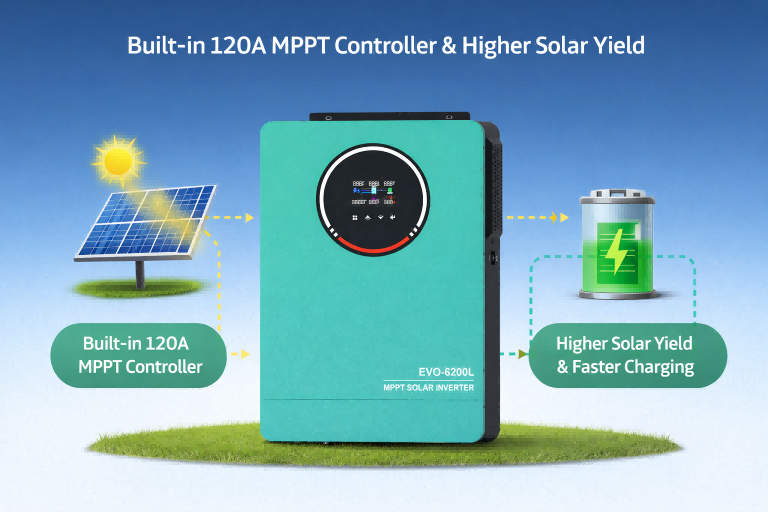
    Hybrid solar inverters provide agricultural operators with highly efficient solutions to common irrigation challenges. By intelligently blending solar energy with utility grid or diesel generator inputs, these systems deliver stable power for high-capacity water pumps and controls—without the need for expensive battery storage systems. For modern agriculture, reducing operational costs while maintaining consistent water delivery is critical. Key benefits of upgrading to this technology include: Reliable power supply via smart energy blending (Solar + AC Grid/Generator) Massive reductions in initial capital expenditure (CAPEX) by eliminating batteries Lower daily operational and fuel expenses Positive environmental impact and reduced carbon footprint Modern agriculture depends on advanced energy technology to boost productivity and profitability. Here is how batteryless hybrid inverter systems are changing the landscape.   Understanding Hybrid Solar Inverters in Agriculture How Batteryless Hybrid Inverters Work Hybrid solar inverters play a crucial role in heavy-duty agricultural energy systems. They convert direct current (DC) from solar panels into alternating current (AC) to power irrigation pumps and machinery. Unlike traditional off-grid systems that rely on massive, expensive battery banks, modern B2B agricultural inverters are designed for direct-drive and smart blending. When the sun is shining, the inverter powers the pumps directly from the solar panels. If clouds roll in and solar output drops, the inverter instantaneously draws the exact missing power from the utility grid or a connected diesel generator. This guarantees a clean, uninterrupted sine wave output that matches grid standards, keeping water flowing without the massive upfront cost of battery storage.   Role in Irrigation Systems In agricultural irrigation, reliable power is essential for consistent water pressure and delivery. Hybrid solar inverters ensure that heavy-duty submersible and surface pumps receive stable electricity, even when solar conditions fluctuate. Many EPC contractors and farm managers source their equipment directly from a reliable hybrid solar inverter factory to ensure they get the right specifications for agricultural loads. Below is a breakdown of the popular series, which is specifically engineered for high-demand, batteryless operation:   Product Series / Category Power Capacity MPPT Voltage Range Key Agricultural & B2B Features Dual AC Output Series 4.2 kW / 6.2 kW 60~450 VDC Batteryless operation directly drives pumps. Features dual AC output to prioritize critical loads and built-in WIFI for remote field monitoring. High-Capacity Series 7.2 kW / 8.2 kW / 10.2 kW 90~450 VDC Dual PV inputs and dual AC outputs. Specifically engineered to handle massive startup surges from heavy inductive water pumps with seamless grid/diesel blending. IP65 Waterproof Series 3 kW / 6 kW 50~450 VDC IP65 rated for harsh, dusty, and wet agricultural environments. Can be installed outdoors near the irrigation control center.   Advantages Over Traditional Power Relying solely on the grid or diesel generators leaves farms vulnerable to rising fuel costs and frequent power outages. By prioritizing solar energy during the day and only supplementing with grid or diesel power when absolutely necessary, hybrid systems dramatically lower operating expenses. Farmers experience zero interruptions in irrigation, leading to healthier crops and better yields, all while keeping equipment maintenance to a minimum.   Key Benefits for B2B Irrigation Projects 1. Reliable Power Supply and Smart Blending A hybrid solar inverter creates a seamless energy management system. By combining solar panels with secondary AC inputs (grid or generator), it keeps pumps running consistently. The system prioritizes free solar energy. When sunlight decreases, the inverter automatically supplements the power with the grid or generator. This flexibility ensures continuous operation of irrigation pumps, preventing crop water stress.   Real-World Data: A recent 50-hectare farm installation utilized a direct-drive hybrid setup. By optimizing their irrigation schedules during peak solar hours (10:00 AM to 3:00 PM), the farm reduced their diesel generator run-time by 75%, resulting in a massive drop in monthly operational costs.   2. Handling High Surge Loads (Pump Startups) Water pumps are notorious for requiring massive startup surges—often 3 to 5 times their continuous running wattage. For massive agricultural setups, partnering with a low frequency solar inverter wholesale distributor is a smart move. Low frequency designs feature heavy-duty transformers capable of absorbing harsh pump surges without tripping the system, ensuring long-term durability in harsh farm environments.   3. Energy Efficiency and Cost Savings By completely bypassing the need for battery storage, the return on investment (ROI) for these systems is exceptionally fast.   Power Source Initial Setup Cost (CAPEX) Fuel/Grid Costs Battery Replacement Costs Diesel Generator Only Moderate Very High None Traditional Off-Grid (with Batteries) Very High Low High (Every 3-5 years) Batteryless Hybrid Solar Moderate Low Zero   For large-scale water delivery, choosing a robust unit like the evo 10200 hybrid solar inverter allows farms to power multiple irrigation zones simultaneously while keeping capital expenditure strictly on power generation, not power storage.   Choosing the Right Hybrid Solar Inverter Assessing Power Needs Farmers and EPC contractors must carefully evaluate their irrigation system’s energy requirements before selecting an inverter. The process starts with identifying the pump’s specifications: Running Wattage: Find the pump’s continuous power consumption. Voltage & Phase: Check if the pump requires single-phase (120V/240V) or three-phase power. Startup Surge: Recognize that startup power can be up to three times higher than running power. To calculate the correct inverter size, always size the inverter based on the maximum startup surge of the heaviest pump in the system, adding a 20% safety margin to ensure reliable performance and prevent system overloads.   Integration and Maintenance Smooth integration requires careful planning. Site-specific challenges, such as dust, high temperatures, and flood risks, must be addressed during installation. Because batteryless hybrid systems remove the most maintenance-heavy component (the batteries), routine upkeep is simple:   Regular cleaning of solar panels to maximize yield. Checking cable management and connections. Utilizing built-in remote monitoring features (via WiFi modules) to track energy yield and instantly detect any grid or generator drop-offs.   FAQ Q: Can a hybrid solar inverter run an irrigation pump without batteries? A: Yes. Modern advanced hybrid inverters support batteryless operation. They power the pump directly using solar panels and instantly blend in grid or diesel generator power if the solar energy drops due to clouds or time of day. Q: How do farmers choose the right inverter size for their irrigation system? A: You must check the pump’s maximum startup surge power, not just its running wattage. The inverter must be capable of handling this peak load. Consulting with a professional manufacturer ensures accurate system sizing. Q: Are there financial benefits to removing batteries from an agricultural solar setup? A: Absolutely. Batteries are the most expensive and maintenance-heavy part of a solar system. By using a smart-blending hybrid inverter, farms can cut their initial installation costs by up to 40% and eliminate future battery replacement expenses entirely.
  • Готові масштабувати свої сонячні проекти?
    Готові масштабувати свої сонячні проекти? Mar 18, 2026
    Як інженер-підрядник або установник сонячних систем, ви знаєте, що ландшафт відновлюваної енергетики стрімко розвивається. Часи, коли потрібно було просто встановити кілька панелей на дах і підключити базовий інвертор, давно минули. Сьогоднішні клієнти — незалежно від того, чи володіють вони елітними житловими масивами, сільськогосподарськими об'єктами чи легкими комерційними будівлями — вимагають повної енергонезалежності. Вони хочуть систем, які не лише зменшують пікові навантаження, але й можуть забезпечити повну роботу, коли мережа вимикається.Якщо ваш інсталяційний бізнес прагне масштабуватися від стандартних житлових проектів потужністю 5 кВт до комерційних та висококласних житлових проектів потужністю 30 кВт, 50 кВт або навіть 100 кВт+, ви стикаєтеся з критичним поворотним моментом. Ви не можете просто збільшити кількість обладнання, яке використовуєте для невеликих проектів, і очікувати, що воно працюватиме ефективно у більшому масштабі. Масштабування вимагає фундаментальних змін в архітектурі, яку ви розгортаєте, технології, яку ви визначаєте, та ланцюжку поставок, на який ви покладаєтеся.Чи стримують ваш бізнес ваші поточні рішення для зберігання енергії? Давайте розглянемо технічні та стратегічні зміни, необхідні для впевненого масштабування ваших сонячних проектів, виграшу більших тендерів та повного усунення візитів зворотних викликів, які зменшують прибутковість. Вузьке місце масштабування: чому традиційні системи зазнають невдачіКоли підрядники намагаються масштабувати свій бізнес, використовуючи рішення для зберігання даних початкового рівня, вони одразу стикаються з безліччю технічних та логістичних перешкод. Традиційні низьковольтні системи (наприклад, установки на 12 В або 24 В) або громіздкі, застарілі шафові акумулятори створюють кілька критичних проблем при використанні у великих проектах:Надмірні втрати лінії: У системах високої потужності низька напруга означає неймовірно високий струм. Високий струм вимагає масивної та дорогої кабельної мережі та призводить до значних втрат теплової енергії (тепла) по всій проводці. Це знижує ефективність передачі сигналу вашої установки.Просторові та естетичні обмеження: Клієнти високого класу та власники комерційної нерухомості рідко хочуть мати окрему «батарейну кімнату», заповнену непривабливими стелажами, заплутаними дротом. Якщо ваш складський простір занадто великий, ви програєте ставку.Збої зв'язку BMS: Об'єднання десятків простих акумуляторів часто призводить до конфліктів у системі керування акумуляторами (BMS). Коли акумулятори не можуть ідеально збалансувати свій стан заряду (SOC) та стан справності (SOH) по всьому масиву, вся система працює неефективно, що призводить до неминучих заторів та розлючених клієнтів.Для вигідного масштабування вам потрібен модульний, високоефективний носій даних, який має архітектурно розроблену особливість для розширення. Модульність – це король: сила паралельного розширенняСекрет перемоги в різноманітних тендерах полягає в стандартизації вашого обладнання при збереженні безмежної гнучкості в розмірах системи. Ви ж не хочете, щоб ваші монтажні бригади вивчали нову екосистему обладнання для кожного окремого проекту.Саме тут модульна конструкція стає вашою найбільшою конкурентною перевагою. Використовуючи стандартизований, штабельований або паралельно-сумісний формат акумуляторів, ваша команда може освоїти один протокол встановлення та застосувати його до будинку потужністю 10 кВт·год або комерційного об'єкта потужністю 80 кВт·год.Коли ви вказуєте Настінна літієва сонячна батарея LiFePO4 Для ваших проектів ви вирішуєте кілька проблем масштабування одночасно. По-перше, просторовий слід значно зменшується. Ці блоки використовують вертикальний простір стін, залишаючи цінний простір підлоги вільним — це вагомий аргумент для архітекторів та керуючих нерухомістю.По-друге, скорочується час встановлення. Завдяки роз'ємам для сліпого з'єднання, попередньо налаштованим комунікаційним кабелям та стандартним монтажним кронштейнам, бригада з двох осіб може встановити та підключити багатоблочний масив за значно менший час, ніж побудова індивідуальної стійкової системи.Найголовніше, що преміальні настінні LiFePO4 системи розроблені для розширеного паралельного підключення. Надійна система дозволяє безпечно паралельно з’єднувати до 15 або 16 пристроїв. Інтегрована архітектура головний/підлеглий BMS автоматично призначає один пристрій для зв’язку з гібридним інвертором, динамічно балансуючи навантаження між усіма паралельними блоками. Це означає, що ви можете впевнено робити ставку на проект, починаючи від 10 кВт·год сьогодні, і обіцяти клієнту безперебійне, «підключи та працюй», оновлення до 50 кВт·год наступного року без капітального ремонту всієї інфраструктури. Обробка важких навантажень: високовольтна архітектураКоли ви переходите до масштабних проектів, ви вже не просто живите освітлення та Wi-Fi-роутери. Ви маєте справу зі серйозними індуктивними навантаженнями: багатозонними системами опалення, вентиляції та кондиціонування повітря, насосами для глибоких свердловин, комерційним холодильним обладнанням та зарядними пристроями для потужних електромобілів (EV).Щоб впоратися з величезними пусковими струмами (імпульсними струмами), що генеруються цими приладами, необхідно перейти на вищий стандарт напруги. Архітектура з номінальною напругою 51,2 В стала золотим стандартом для високопродуктивних сонячних накопичувачів. Вона вдвічі зменшує необхідний струм порівняно з системою 24 В за тієї ж вихідної потужності, що значно зменшує тепловиділення та навантаження на компоненти.Крім того, коли мережа повністю вийде з ладу, ваші клієнти очікують миттєвого та безкомпромісного резервного живлення. Система, розроблена для функціонування як надійна 51.2v відповідає аварійному акумулятору забезпечує необхідні швидкості розряду та мілісекундний час передачі, необхідні для підтримки критично важливої ​​інфраструктури в робочому режимі.Чи то сильний шторм, постійні відключення електроенергії чи пошкоджений трансформатор, система LiFePO4 на 51,2 В забезпечує глибокий розряд (часто до 90% або 95% глибини розряду) без погіршення хімічної структури елементів. Коли ви можете гарантувати комерційному клієнту, що його серверна кімната, або власнику елітного будинку, що вся його власність безперешкодно перейде в острівний режим під час відключення електроенергії, ваш коефіцієнт укладання угод з високими цінами різко зросте. Безшовна інтеграція інвертораМасштабування ваших проектів також означає роботу з ширшим спектром гібридних інверторів. Залежно від конкретних вимог об'єкта, вам може знадобитися вибрати інвертор Deye, Growatt, Victron або SMA.Значною прихованою витратою для установників є час, витрачений на місці, щоб змусити систему BMS акумулятора "спілкуватися" з інвертором. Якщо протоколи зв'язку CAN/RS485 не ідеально узгоджені, інвертор видаватиме коди помилок або, що ще гірше, неправильно заряджатиме акумуляторний блок, що призведе до анулювання гарантії.Високоякісні рішення для накопичення енергії постачаються з попередньо налаштованими протоколами зв'язку для всіх провідних брендів інверторів. Достатньо простого налаштування DIP-перемикача або вибору меню на РК-дисплеї, щоб встановити бездоганний зв'язок між масивом акумуляторів та інвертором. Ця сумісність "підключи і працюй" є невід'ємною частиною для підрядників, які прагнуть збільшити обсяг виконаних проектів на місяць. Будуємо свій ров: перевага виробникаЗрештою, надійність встановленої вами технології залежить від надійності ланцюга постачання, що стоїть за нею. Коли ви беретеся за більші проекти, ваші фінансові зобов'язання зростають. Якщо масив зберігання даних вартістю кілька тисяч доларів вийде з ладу, а постачальник перестане реагувати, ваша компанія понесе ці руйнівні втрати.Покладання на місцевих оптовиків або сторонні торговельні компанії обмежує вашу прибутковість і позбавляє вас прямої технічної підтримки. Щоб створити справжній економічний рів і максимізувати свою рентабельність, вам потрібно скоротити свій ланцюг поставок.Встановивши пряме стратегічне партнерство з прем'єр-міністром Завод сонячних батарей, ви отримуєте величезну конкурентну перевагу. Прямі партнерства з фабриками пропонують набагато більше, ніж просто конкурентні оптові ціни. Вони забезпечують:Суворий контроль якості (QC): Ви можете бути спокійні, знаючи, що кожна комірка пройшла ретельне оцінювання ємності, випробування внутрішнього опору та цикли старіння, перш ніж її буде зібрано в модуль.Довгострокова гарантійна підтримка: Авторитетний виробник впевнено запропонує 10-річну гарантію та понад 6000 циклів роботи, оскільки він контролює власну конструкцію BMS та джерела живлення елементів.Можливості OEM/ODM: Хочете припинити створювати бренд іншої компанії та почати створювати свій власний? Прямий партнер-завод може забезпечити індивідуальний шовкографічний друк, індивідуальні кольори корпусу та індивідуальні програмні інтерфейси. Участь у тендері на масштабний комерційний проект з обладнанням, яке... твій Логотип компанії миттєво підвищує авторитет вашого бренду.Пріоритетна технічна підтримка: Коли ваші техніки перебувають на комерційному даху о 16:00 у п'ятницю та потребують оновлення прошивки або допомоги з усуненням несправностей, вам потрібен прямий доступ до інженерів, які створили систему, а не до представника служби підтримки клієнтів посередника. Масштабування вашого бізнесу з встановлення сонячних батарей цілком можливе, але воно вимагає обдуманого вибору. Відмовившись від застарілих, низьковольтних, громіздких систем на користь модульної, настінної високовольтної технології LiFePO4, ви одразу вирішите проблеми тривалого часу встановлення та вузьких місць системи.Поєднання цієї передової технології з прямими відносинами з виробником гарантує вам конкурентне ціноутворення, індивідуальний брендинг та технічну підтримку, необхідні для перемоги у більших тендерах та домінування на вашому місцевому ринку. Перестаньте задовольнятися невеликою прибутковістю на невеликих проектах. Оновіть свою архітектуру, захистіть свій ланцюг поставок та підготуйтеся до масштабування.   
1 2 3 4 5 6 7 8 9 10 14 15
Загалом 15сторінки

Anern Industry Group Limited Всі права захищено .Xml | Політика конфіденційності ПІДТРИМУЄТЬСЯ МЕРЕЖЕЮ

Click Here To Get Free Quote

Click Here To Get Free Quote
подати

Дім

Продукти

Зв'яжіться з нами