

Як гібридні сонячні інвертори можуть покращити системи зрошення в сільському господарстві?
Гібридні сонячні інвертори забезпечують сільськогосподарських операторів високоефективними рішеннями для поширених проблем зрошення. Завдяки інтелектуальному поєднанню сонячної енергії з енергією комунальної мережі або дизельного генератора, ці системи забезпечують стабільне живлення для потужних водяних насосів та систем керування — без необхідності використання дорогих систем акумуляторного зберігання енергії.
Для сучасного сільського господарства зниження експлуатаційних витрат при одночасному забезпеченні стабільного водопостачання є критично важливим. Ключові переваги переходу на цю технологію включають:
Надійне електропостачання завдяки розумному змішуванню енергії (сонячна енергія + мережа змінного струму/генератор)
Значне скорочення початкових капітальних витрат (CAPEX) завдяки відмові від акумуляторів
Нижчі щоденні експлуатаційні витрати та витрати на пальне
Позитивний вплив на навколишнє середовище та зменшення вуглецевого сліду
Сучасне сільське господарство залежить від передових енергетичних технологій для підвищення продуктивності та прибутковості. Ось як безбатарейні гібридні інверторні системи змінюють ландшафт.
Гібридні сонячні інвертори відіграють вирішальну роль у потужних сільськогосподарських енергетичних системах. Вони перетворюють постійний струм (DC) від сонячних панелей на змінний струм (AC) для живлення зрошувальних насосів та обладнання.
На відміну від традиційних автономних систем, які залежать від масивних і дорогих акумуляторних батарей, сучасні сільськогосподарські інвертори B2B розроблені для прямого приводу та інтелектуального змішування. Коли світить сонце, інвертор живить насоси безпосередньо від сонячних панелей. Якщо захмарюється і сонячна енергія падає, інвертор миттєво отримує саме ту енергію, яка бракує, з комунальної мережі або підключеного дизельного генератора. Це гарантує чисту, безперебійну синусоїдальну вихідну потужність, яка відповідає стандартам мережі, забезпечуючи потік води без величезних початкових витрат на акумуляторне зберігання.
У сільськогосподарському зрошенні надійне живлення є важливим для стабільного тиску та подачі води. Гібридні сонячні інвертори забезпечують стабільне отримання електроенергії потужними занурювальними та поверхневими насосами, навіть за коливань сонячної погоди.
Багато підрядників EPC та керівників фермерських господарств закуповують обладнання безпосередньо у надійних компаній. завод гібридних сонячних інверторів щоб забезпечити правильні характеристики для сільськогосподарських вантажів. Нижче наведено розбивку популярної серії, спеціально розробленої для роботи з високим навантаженням та без акумуляторів:
| Серія/категорія продукту | Потужність | Діапазон напруги MPPT | Ключові характеристики сільськогосподарської продукції та B2B |
| Серія з подвійним виходом змінного струму | 4,2 кВт / 6,2 кВт | 60~450 В постійного струму | Робота без батарей безпосередньо керує насосами. Має подвійний вихід змінного струму для пріоритетності критичних навантажень та вбудований Wi-Fi для віддаленого моніторингу польових умов. |
| Серія високої ємності | 7,2 кВт / 8,2 кВт / 10,2 кВт | 90~450 В постійного струму | Два входи для фотоелектричних систем та два виходи для змінного струму. Спеціально розроблені для роботи з масивними пусковими стрибками від потужних індуктивних водяних насосів з безперебійним змішуванням мережевих/дизельних джерел енергії. |
| Водонепроникна серія IP65 | 3 кВт / 6 кВт | 50~450 В постійного струму | Клас захисту IP65 для суворих, запилених та вологих сільськогосподарських середовищ. Може бути встановлений на вулиці поблизу центру керування зрошенням. |
Покладання виключно на мережу або дизельні генератори робить ферми вразливими до зростання цін на паливо та частих відключень електроенергії. Надаючи пріоритет сонячній енергії протягом дня та доповнюючи її мережею або дизельним паливом лише за крайньої необхідності, гібридні системи значно знижують експлуатаційні витрати. Фермери не відчувають перебоїв у зрошенні, що призводить до здоровішого вирощування та кращої врожайності, водночас зводячи до мінімуму технічне обслуговування обладнання.
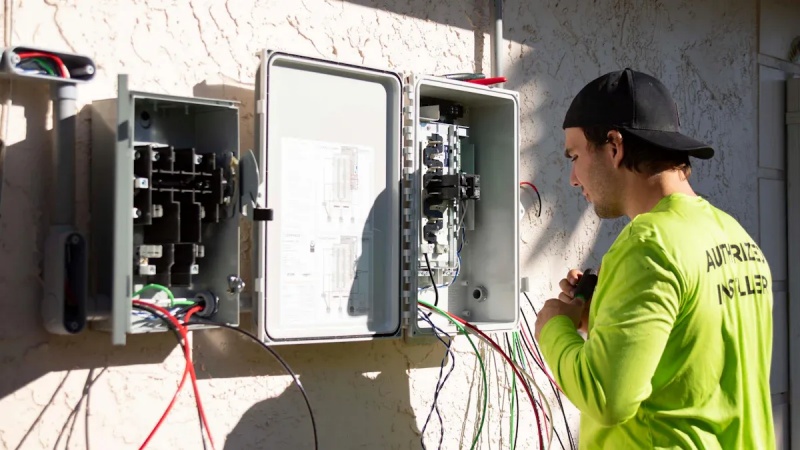
Гібридний сонячний інвертор створює безперебійну систему управління енергією. Поєднуючи сонячні панелі з вторинними входами змінного струму (мережа або генератор), він забезпечує стабільну роботу насосів. Система надає пріоритет безкоштовній сонячній енергії. Коли сонячне світло зменшується, інвертор автоматично доповнює живлення від мережі або генератора. Така гнучкість забезпечує безперервну роботу зрошувальних насосів, запобігаючи нестачі води для рослин.
Дані з реального світу: Нещодавно на фермі площею 50 гектарів використовувалася гібридна установка з прямим приводом. Оптимізуючи графіки поливу в години пікової сонячної активності (з 10:00 до 15:00), ферма скоротила час роботи дизельного генератора на 75%, що призвело до значного зниження щомісячних експлуатаційних витрат.
Водяні насоси відомі тим, що потребують величезних пускових перенапруг — часто в 3–5 разів перевищують їхню потужність безперервної роботи. Для великих сільськогосподарських установок партнерство з низькочастотний сонячний інвертор оптом Розподільник – це розумний крок. Низькочастотні конструкції оснащені потужними трансформаторами, здатними поглинати різкі стрибки напруги насоса, не відключаючи систему, що забезпечує довготривалу надійність у складних сільськогосподарських умовах.
Завдяки повній відсутності потреби в акумуляторному накопиченні енергії, окупність інвестицій (ROI) у ці системи є надзвичайно швидкою.
| Джерело живлення | Початкові витрати на налаштування (CAPEX) | Витрати на паливо/мережу | Вартість заміни батареї |
| Тільки дизельний генератор | Помірний | Дуже високий | Жоден |
| Традиційний автономний (з батареями) | Дуже високий | Низький | Високий (кожні 3-5 років) |
| Безбатарейний гібридний сонячний світ | Помірний | Низький | Нуль |
Для великомасштабного водопостачання слід обрати надійний агрегат, такий як Гібридний сонячний інвертор evo 10200 дозволяє фермам одночасно живити кілька зон зрошення, при цьому капітальні витрати зосереджуються виключно на виробництві електроенергії, а не на її накопиченні.
Фермери та підрядники з енергоефективності та енергетики повинні ретельно оцінити енергетичні потреби своєї зрошувальної системи перед вибором інвертора. Процес починається з визначення характеристик насоса:
Робоча потужність: Знайдіть безперервне споживання енергії насосом.
Напруга та фаза: Перевірте, чи потрібне насосу однофазне (120 В/240 В) чи трифазне живлення.
Пусковий сплеск: Майте на увазі, що початкова потужність може бути до трьох разів вищою за робочу потужність.
Щоб розрахувати правильний розмір інвертора, завжди вибирайте розмір інвертора на основі максимального пускового імпульсу найпотужнішого насоса в системі, додаючи 20% запасу міцності для забезпечення надійної роботи та запобігання перевантаженням системи.
Безперебійна інтеграція вимагає ретельного планування. Під час встановлення необхідно враховувати специфічні для місця проблеми, такі як пил, високі температури та ризики затоплення.
Оскільки безбатарейні гібридні системи позбавлені найбільш ресурсомісткого компонента (батареїв), регулярне обслуговування просте:
Регулярне очищення сонячних панелей для максимального збільшення врожайності.
Перевірка управління кабелями та з'єднань.
Використання вбудованих функцій дистанційного моніторингу (через модулі WiFi) для відстеження вироблення енергії та миттєвого виявлення будь-яких падінь напруги в мережі або генераторі.
З: Чи може гібридний сонячний інвертор працювати з іригаційним насосом без акумуляторів?
В: Так. Сучасні вдосконалені гібридні інвертори підтримують роботу без батарей. Вони живлять насос безпосередньо за допомогою сонячних панелей і миттєво підключають енергію мережі або дизельного генератора, якщо сонячна енергія падає через хмарність або пору доби.
З: Як фермери обирають правильний розмір інвертора для своєї системи зрошення?
В: Вам слід перевірити максимальну потужність насоса під час запуску, а не лише його робочу потужність. Інвертор повинен бути здатним впоратися з цим піковим навантаженням. Консультація з професійним виробником гарантує точний вибір розмірів системи.
З: Чи є фінансові вигоди від видалення батарей із сільськогосподарської сонячної установки?
В: Абсолютно. Акумулятори – це найдорожча та найретельніша частина сонячної системи. Використовуючи гібридний інвертор із розумним змішуванням, ферми можуть скоротити початкові витрати на встановлення до 40% та повністю виключити витрати на заміну акумуляторів у майбутньому.

Електронна пошта : g-ad@anern.com
Додати :5th Floor, Building B, No.2817 Kaichuang Avenue, Science Zone, Huangpu District, Guangzhou, China


Anern Industry Group Limited Всі права захищено
.Xml | Політика конфіденційності  ПІДТРИМУЄТЬСЯ МЕРЕЖЕЮ
 Мова
Мова


